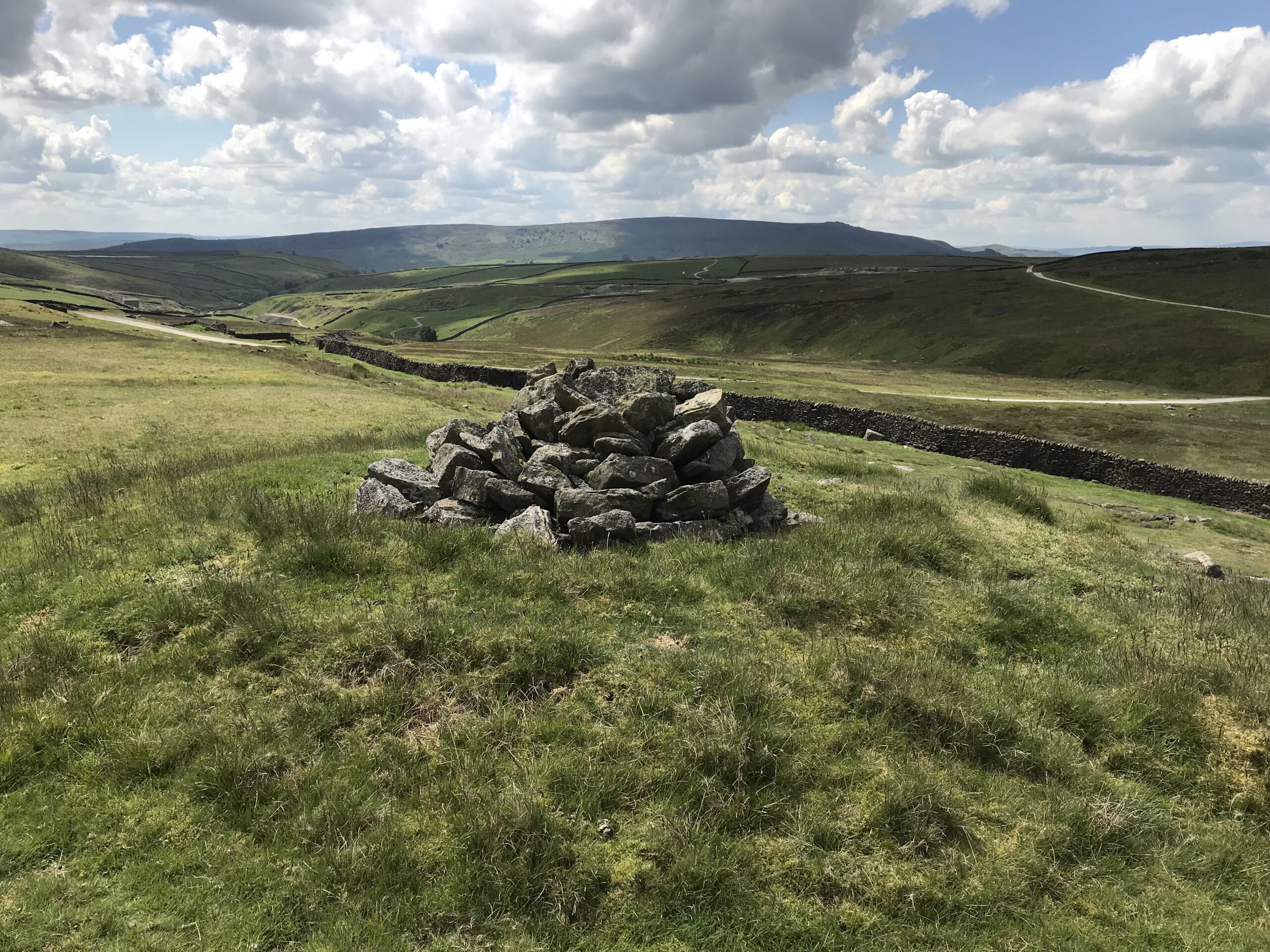
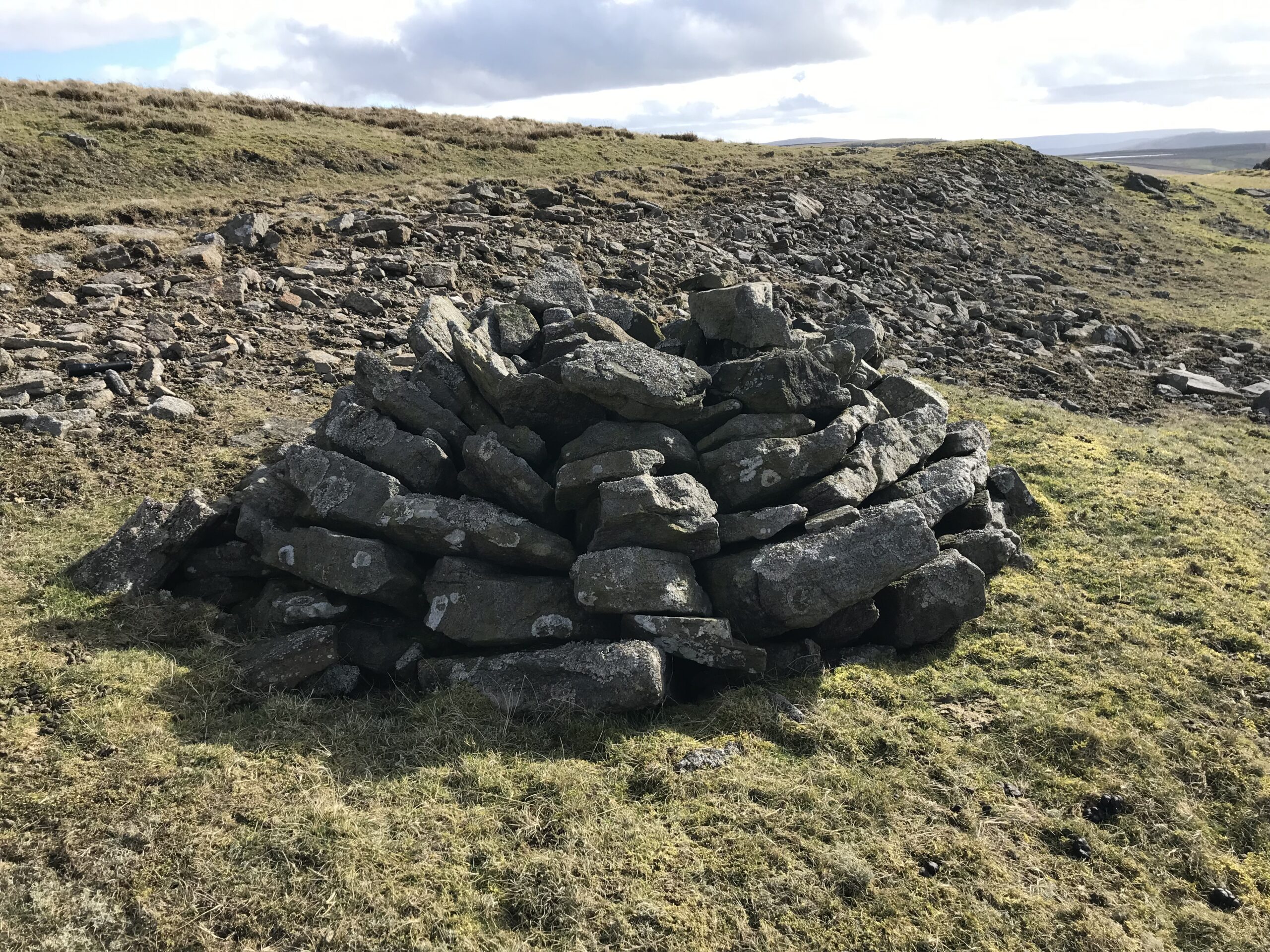
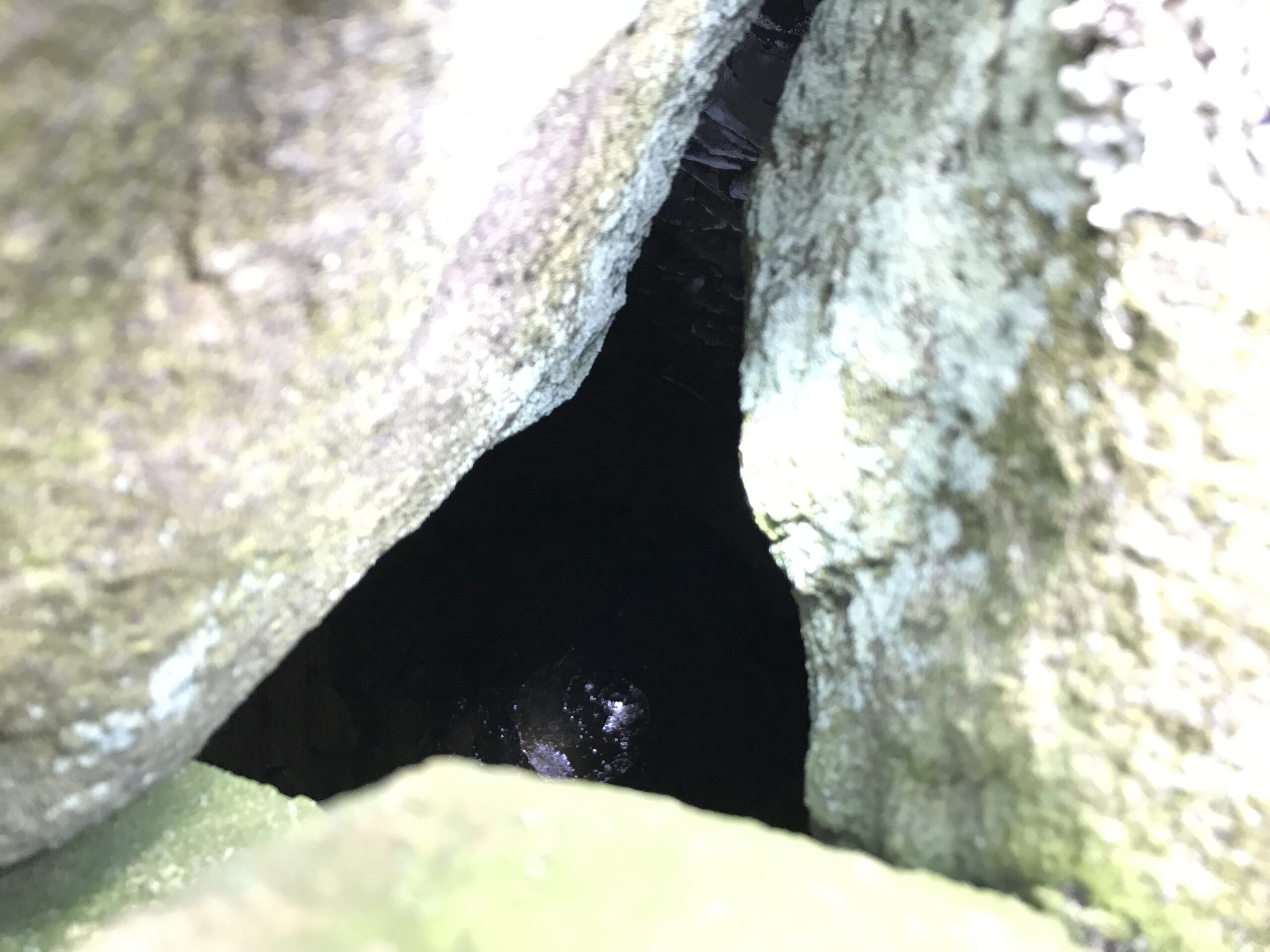
Lead was not the only mineral extracted from under the moor as a small amount of coal was also mined. In fact, a couple of the shafts were named after the coal seams discovered during sinking such as Coalgrovebeck and Coalgrovehead.
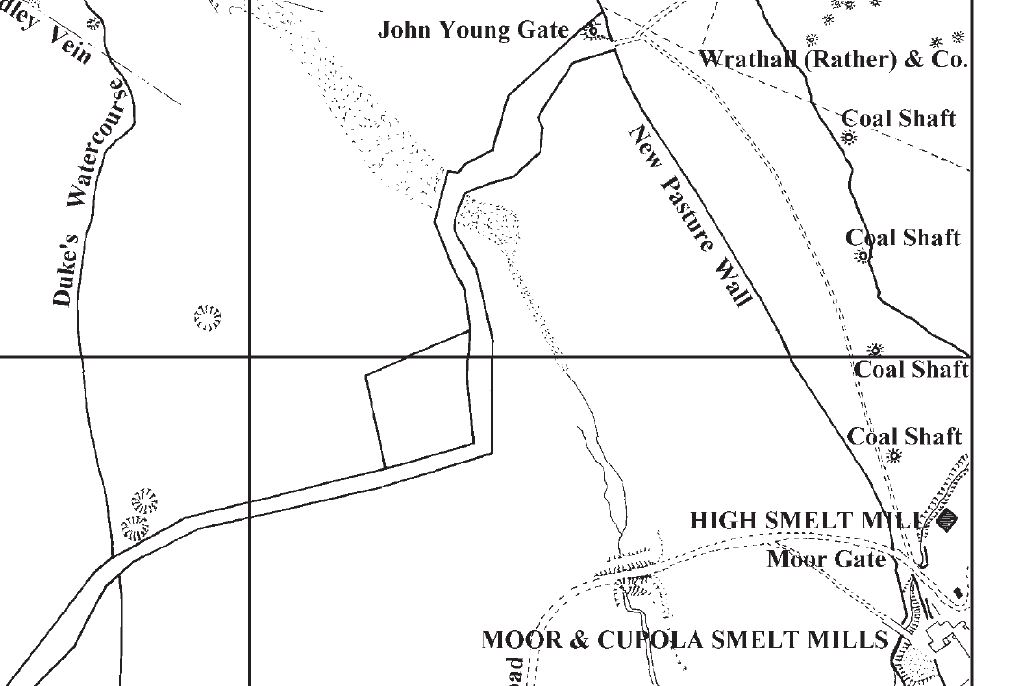
There are very little records of coal mining across Grassington Moor, apart from four shafts recorded within British Mining 46. These shallow shafts are located close to the Cupola Smelt Mill between the New Pasture Wall and the Dukes Water Course. Prior to the Cupola Mill being erected, the High Smelt Mill operated from 1637 to 1650 and was situated close to the four coal shafts running North towards John Young gate. The High Smelt Mill was an Ore Hearth using bellows to increase the heat in the furnace, and the fuel used was mainly kiln dried wood supplemented with peat and a small amount of coal. It was important not to use too much coal, as the fumes could spoil the lead. Given the proximity of the four coal shafts to the High Smelt Mill, it is speculated that the extracted coal was used in the mill for smelting lead.
In addition to the High Smelt Mill, there were two other ore hearth type furnaces which smelted lead from the Grassington Moor lead mines. These were the Low Mill operating from 1605 to 1793 and situated next to the river Wharfe in Grassington, and the Moor smelt mill operating from 1756 1792 located where the Cupola Mill now stands. In 1792, the Cupola Mill was erected and its remnants are still present today. This mill along with flues running up to the Cupola Chimney can be explored by walking along the Dukes New Road from Yarnbury. The Cupola Mill was a coal burning reverberatory furnace meaning that it used coal instead of wood and peat, and was operated right up until closure of the mines in 1882. Initially coal was transported via the Leeds Liverpool Canal to Skipton, but in 1827 was taken instead to Gargrave following extension of the canal into Lancashire. From the canal, coal would be taken via horse and cart to the Cupola Smelt Mill at a distance of 11 miles from Skipton and 9 miles from Gargrave.
The only other record of coal mining on Grassington Moor was in the 1960’s when the Dales Chemical Company were reworking the spoil tips for Fluorspar and Barytes. Whilst excavating a new settling pond, the workmen discovered a seam of coal, and saved this for burning at the mill.
Image taken from British Mining 46 showing the four coal shafts located close to the High Smelt Mill
Beehive formations are now situated above the shafts